
BOEBERT AND GRAY INTRODUCE THE RURAL JOBS AND HYDROPOWER EXPANSION ACT
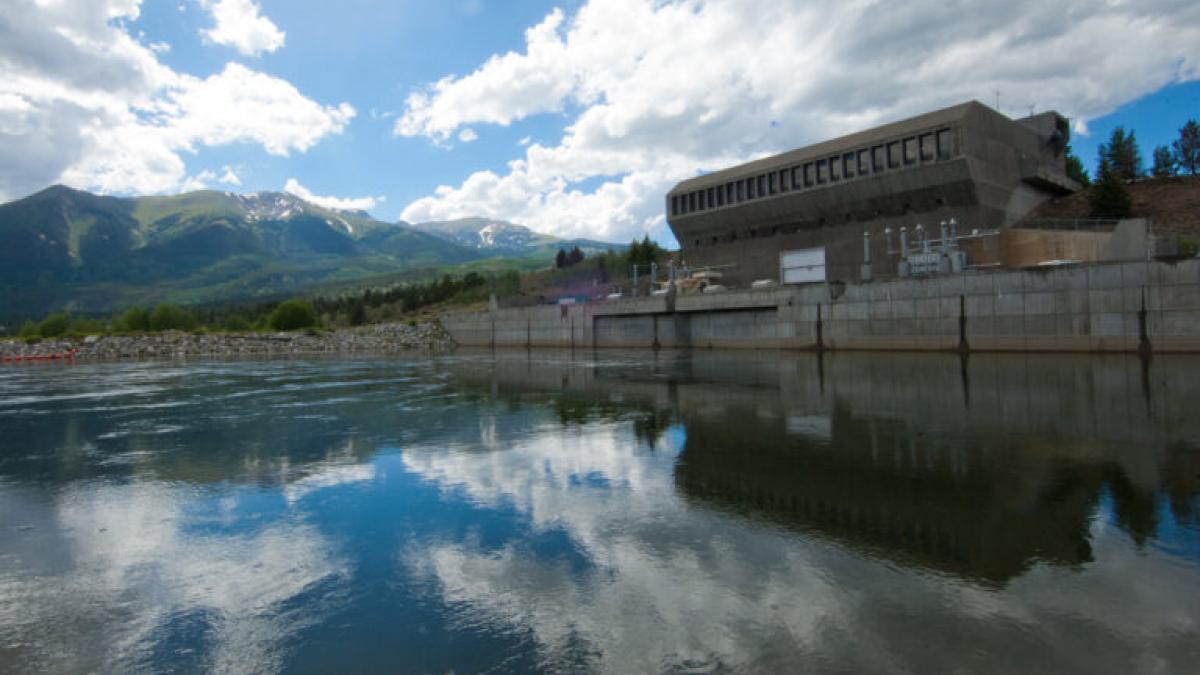
Washington, DC—Today, Congresswoman Lauren Boebert (CO-04) and Congressman Adam Gray (CA-13) introduced the Rural Jobs and Hydropower Expansion Act. This legislation formally authorizes the development of hydropower using all Reclamation facilities and encourages irrigation districts, electric utilities and others to develop new hydropower by amending the Reclamation Project Act of 1939.
“Hydropower is one of the cheapest, cleanest, and most reliable forms of energy we have, especially here in the West where our rural communities depend on it for jobs, affordable power, and water security. I'm proud to introduce this bipartisan bill to cut red tape and unleash new hydropower development that will create good-paying rural jobs, lower energy costs for families and businesses, and strengthen our energy independence," said Rep. Lauren Boebert.
"Expanding hydropower is crucial for energy production and water storage throughout the West. However, our existing permitting system is holding up Reclamation projects that our communities rely on. That is why I am proud to co-lead the Rural Jobs and Hydropower Expansion Act, which would eliminate duplicative permitting processes while ensuring necessary protections are still in place" said Rep. Adam Gray.
Background: The Rural Jobs and Hydropower Expansion Act streamlines the permitting process and authorizes new non-federal hydropower development on Reclamation projects to include diversion dams and other facilities. Further expanding clean hydro will help lower energy costs for American families and small businesses and create jobs in rural America
The hydropower industry supports nearly 8,000 good-paying jobs in the U.S., mostly in rural America. The Bureau of Reclamation owns and operates 53 hydroelectric plants and is the country’s second-largest hydropower producer. Reclamation’s hydroelectric plants generate 40,000 megawatt-hours of electricity, meeting the demand of approximately 3.5 million homes.
Current non-federal hydropower development on Reclamation projects and the associated permits can fall under both the Bureau of Reclamation and the Federal Energy Regulatory Commission (FERC) often requiring approvals from both agencies depending on the project. This fragmented system can lead to significant permitting delays, increased costs and other inefficiencies when seeking to develop new hydroelectric resources. This split in agency jurisdiction has led to nearly 70 non-federal projects being subject to a dual permitting process and nearly a dozen projects requiring dual permits in the development stages.
This legislation creates a one-stop shop to help solve these permitting issues by giving the Bureau of Reclamation exclusive authority to issue permits for hydropower development within Reclamation projects.